
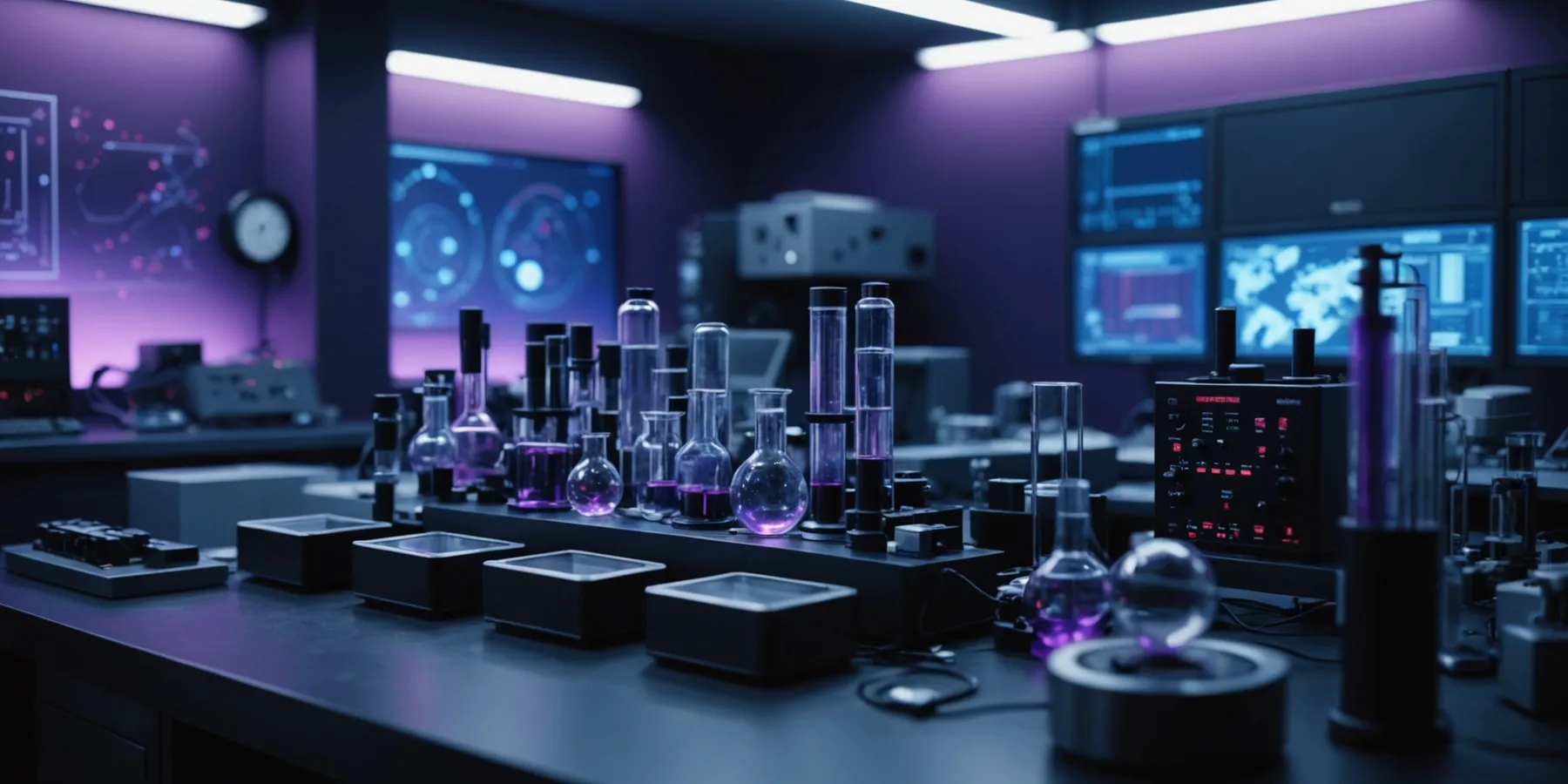
Labs once closed the experiment loop manually. We automated that decision.
Discovery Loop began with a clear problem: moving from experimental results to the next run was research's biggest throughput bottleneck. We are closing it.
Founded in 2025 after a research frustration
Before Discovery Loop, the founders worked in physical-sciences research settings and saw the same pattern repeatedly: labs had capable researchers, strong instruments, and clear goals, but lacked a consistent method for connecting experiment output to the next experiment input.
Researchers handled the connection themselves. After each run, they exported data, reviewed it in a spreadsheet or Python notebook, discussed the results, and planned the next experiment. A step that could theoretically take minutes instead consumed hours or days.
Discovery Loop's first version automated that decision for one lab partner. It worked: cycle frequency increased by more than half during the first month. We then rebuilt it as a general platform, running in research contexts since early 2025.
The team behind the loop
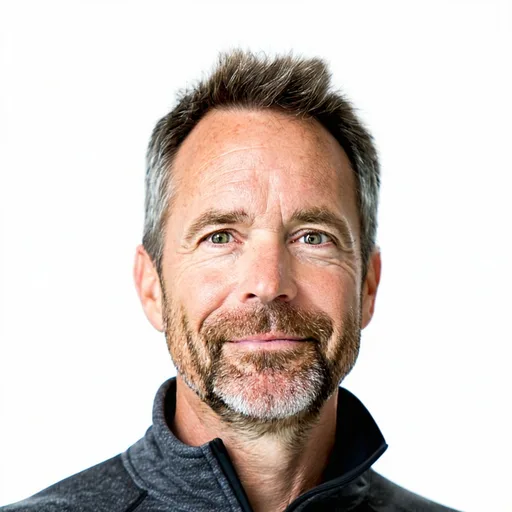
Jeff Dean
Co-founder and CEO
Jeff Dean builds tooling for experiment-driven research, with a focus on the layer linking instrument output to research decisions. He guides product direction and lab partner relationships.
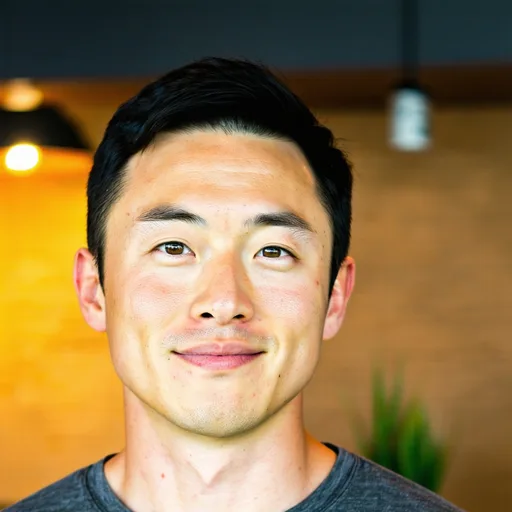
Marcus Chen
Co-founder and CTO
Marcus Chen works on data-pipeline infrastructure for scientific environments using multiple instruments. He leads the instrument adapter layer and the loop orchestration architecture.

Priya Mehta
Head of Science
Priya Mehta brings research experience applying active learning in wet-lab settings. She leads decision-engine methods, reviews active learning literature, and directs science partner integration.
Our approach to building
Loop over prediction
A prediction model separate from the experiment process cannot improve research throughput. Automation must complete the decision loop, rather than only improve an estimate. This distinction guides every product choice.
Information gain over metric scores
Improving a performance score on historical data is different from increasing what researchers learn in each experiment. The loop pursues information gain within real cost limits, the measure that reflects research productivity.
Decisions in the open
The loop records every selected experiment and its reasoning. Researchers can see why each condition was recommended. Science requires more than a black-box recommendation.
Begin with the instruments
Integration quality shapes data quality. We prioritize the adapter layer because parsing data correctly at intake matters more than improving a downstream model. Garbage in, garbage out is a physical constraint, not merely a software issue.
Real-lab ready
Labs face equipment failures, reagent shortages, staff changes, and limited budgets. The platform is built around those conditions rather than an idealized clean-room setting.
Share the methodology
We publish technical notes describing the loop's methods. Scientific software should be understandable to its scientific users. Our Notes section reflects that commitment.
Berkeley, CA
Our Berkeley base keeps us near the institutions and labs that shape our work. Visit us at 2150 Shattuck Avenue, Suite 400, or contact us to discuss research automation.
Contact usDiscovery Loop, Inc.
2150 Shattuck Avenue, Suite 400
Berkeley, CA 94704
+1 (510) 551-0186